27
Dec
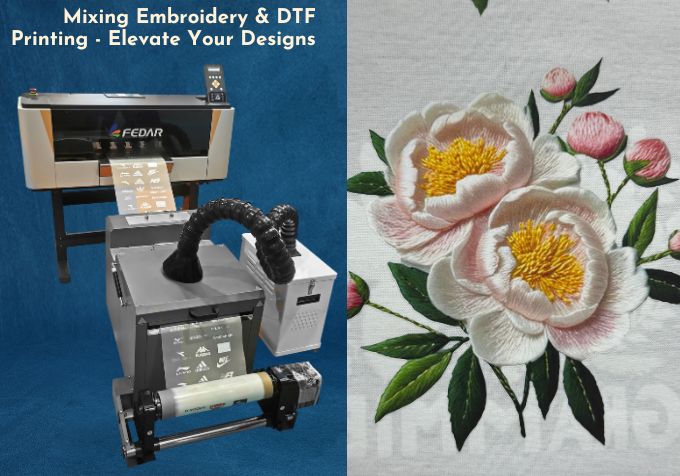
Embroidery is evergreen because of its unique and timeless feel. DTF printing is loved for its ability to produce full-color, full-detail designs. Combining the two is a game changer for fabric customization, combining texture with detail.
This article will show you how combining embroidery and DTF printing increases design options, the benefits of this hybrid method, and how to do it in your projects.
Faux embroidery is a new technique that imitates the appearance of an embroidered product. It does not sew the thread into the fabric but makes an embroidered effect using high-definition digital prints.
Faux embroidery is cost-effective as you don’t need to spend on expensive threads or time-consuming stitching.
It is ideal for fabrics that are difficult to embroider, such as thin or stretch fabrics.
It is perfect for large orders where time is of the essence and where normal embroidery is not feasible or possible.
Faux Embroidery doesn’t have the dimensional feel of actual stitching but looks similar, so it’s a great alternative.
Direct-to-film (DTF) printing is a new technology that prints designs directly onto fabric using a special film and adhesive process. It’s amazing and works on so many different materials. DTF is changing the customization game.
Design Printing: Artwork is printed onto DTF film with special inks.
Powder Application: Adhesive powder is applied to the printed film.
Heat Transfer: Finally; the design is transferred to the fabric with heat and pressure.
High Res: Sharp images with lots of detail.
Material: Cotton, polyester, blends, even non-fabric materials like leather.
Durability: Crack-resistant and washable.
DTF printing is great for detailed designs where traditional printing can’t.
The use of faux embroidery and DTF printing is advantageous in many ways to make it a useful method when it comes to fabric decoration:
Combining embroidery with DTF printing results in multi-dimensional designs. For instance, embroidery can enhance the feel of aggressive elements such as logos and DTF printing can be applied to emphasize small details or gradients.
Hand embroidery can also be slow and costly, especially when working on a large design. DTF printing makes it easier since details are printed on the fabric, eliminating the need to stitch them and making it time and cost-effective.
This hybrid technique applies to all kinds of products including clothing accessories. Embroidery and DTF printing can be combined which means that the number of designs is virtually inexhaustible.
Embroidery is durable on its own, and so is DTF printing. Together they make designs that are durable for use in clothes that are used most often such as school uniforms, sportswear, and bags.
Whether you want minimalist designs or bold, intricate patterns, mixing these techniques provides the creative freedom to meet most if not all customer demands.
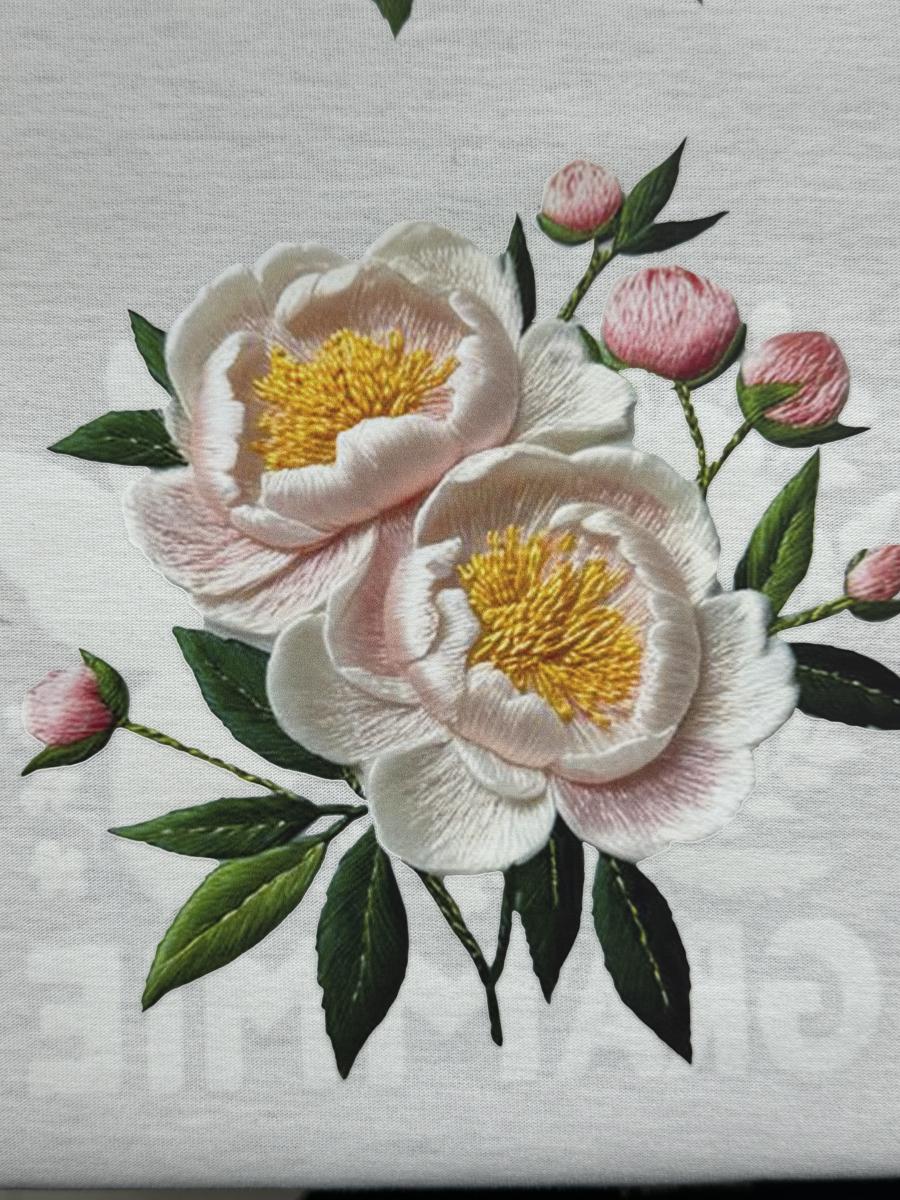
First of all, it is necessary to develop a concept based on the opportunities of both embroidery and DTF printing. Embroidery should be used for elements of texture such as an outline or large logos and DTF for detailed or colorful regions.
Choose a fabric that can do both. Cotton and polyester blends are common because embroidery and heat transfer work well on them.
Embroider the textured parts of the design. Use a stabilizer to keep the fabric flat and prevent pucker.
Print the rest of the design onto a DTF film. Place the printed film on the embroidered fabric and put it under a heat press.
Check for alignment and quality. Trim loose threads if any and fix minor issues.
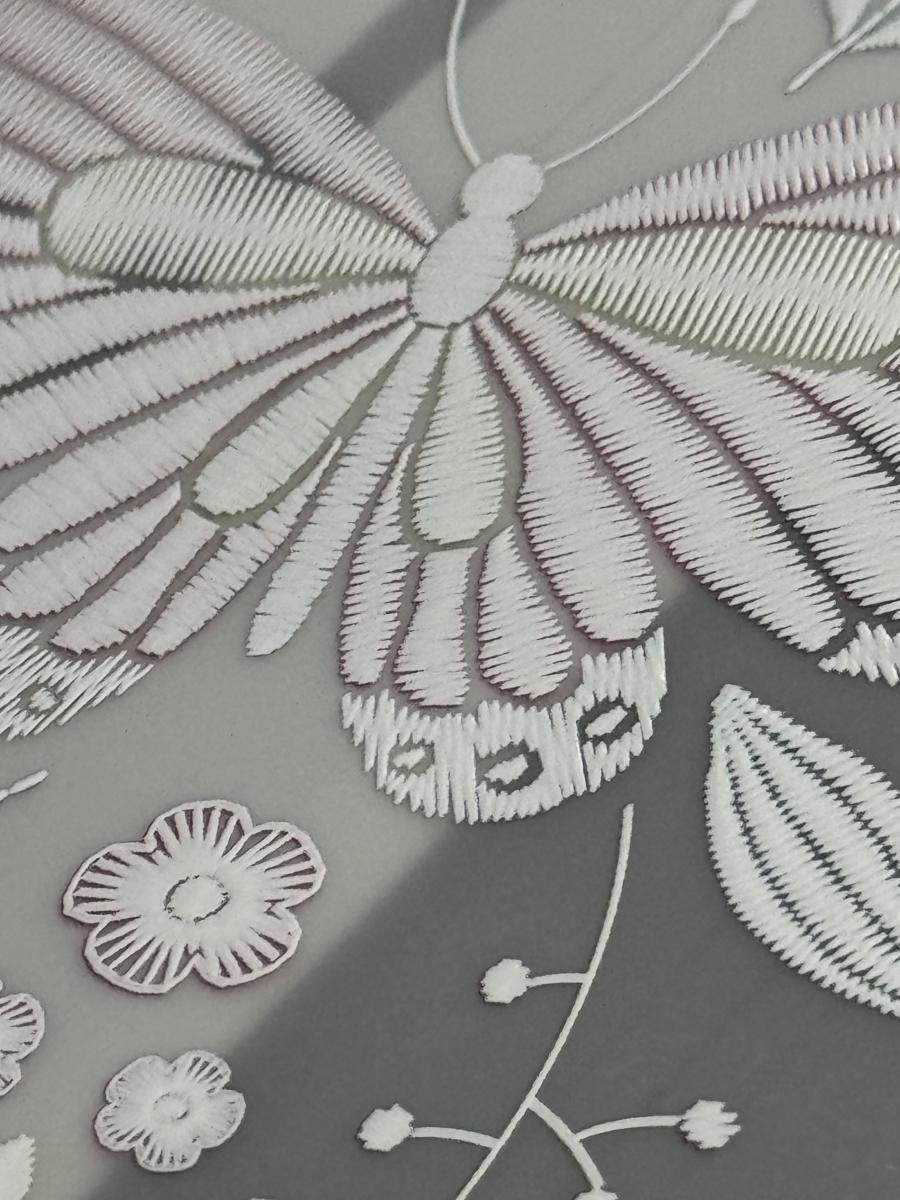
Combining embroidery and DTF printing can be used for:
Customize T-shirts, hoodies, or jackets with embroidered logos and DTF-printed designs.
A combination of the embroidered team logos on the clothing with the DTF print numbering and designs make long-lasting sports apparel. The products will be comfortable, fashionable, and durable.
Uplift tote bags, caps, and other promotional products with this hybrid method. The combination of textures gives a luxurious feel.
Designers can use this to create high-end products that are textured and colored.
While embroidery and DTF printing are great together, they come with challenges:
Alignment between embroidered and printed elements is key. Use templates or alignment tools during production.
Some fabrics won’t work with both techniques so quality issues may occur. It is best to test samples on the fabric before a big run.
Equipment for high-quality embroidery and DTF printing is pricey. It is best to outsource these services to professionals until you can invest in your own equipment.
Both techniques require expertise in embroidery and DTF printing. Take classes or work with experts. Learn by experimenting and applying.
Layered Logos: Embroidery on the outside and DTF printing on the inside.
Seasonal Collections: Holiday apparel or merchandise with embroidery and bright DTF prints.
Custom Gift Sets: Embroidered patches with printed designs.
Fashion Forward: Abstract art or typography with textured and printed elements on high-end apparel.
Faux embroidery and DTF printing give the benefits of old and new. This combo allows you to go beyond design while still delivering what customers expect. Whether a hobbyist or a pro, try this hybrid method to take your projects to the next level and stand out in a crowded market.
Embroidery and DTF together offer the best of both worlds, so you can be the most versatile and creative with your projects. With texture and details, you can create high-end products. From custom apparel to high-end fashion, this hybrid method works for many applications and is durable and cost-effective. You can turn your designs into masterpieces with the right tools and knowledge.
Good luck!
If there's anything we can do to further showcase machines' features, please let us know.
Email: sale@fedar.net
Whatsapp: http://wa.me/8615515715397
Our company has over 30 models of printers with independent intellectual property rights and patents. Marketed under the esteemed brands of Skycolor, Stormjet, and Fedar brands, these printers cover a wide range, including digital textile printers, UV printers, eco-solvent printers and more. Known for their exceptional quality and performance.